Ongoing Programs
FAIRMED Foundation Nepal
FAIRMED Foundation is a Swiss non-profit, non-governmental organization established in 1959 in Bern, Switzerland. FAIRMED works to improve access to quality healthcare for marginalized, underserved, and vulnerable communities affected by disease, disability, and social and economic barriers. FAIRMED has been working in Nepal since 2012 and was registered as an International Non-Governmental Organization (INGO) in 2015.
In Nepal, FAIRMED works closely with local organizations and all three levels of government—federal, provincial, and local—to strengthen the public health system and empower communities. Its work focuses particularly on Maternal and Newborn Health (MNH), Neglected Tropical Diseases (NTDs), disability inclusion, gender equality, social inclusion, and humanitarian support during disasters and emergencies.
SAMBODHAN Project (2025–2027)
The SAMBODHAN Project (2025–2027) is one of FAIRMED Foundation Nepal’s key ongoing initiatives. Initiated in February 2025, the project is being implemented across all 10 local governments of Baglung District in close collaboration with local governments, health institutions, community stakeholders, and other partners.
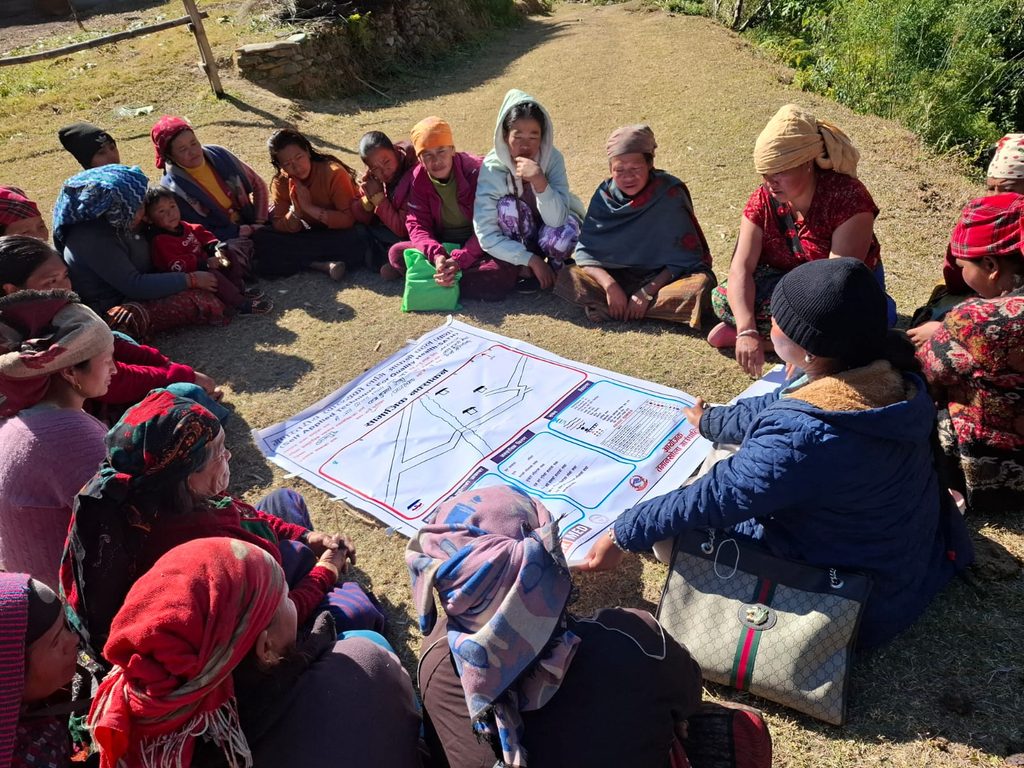
The project aims to strengthen the local health system and promote equitable access to essential health services, with a particular focus on maternal and newborn health, neglected tropical diseases, disability inclusion, gender equality, and social inclusion. It places communities at the center of its approach by working to improve health awareness, service utilization, community participation, and access to quality healthcare.
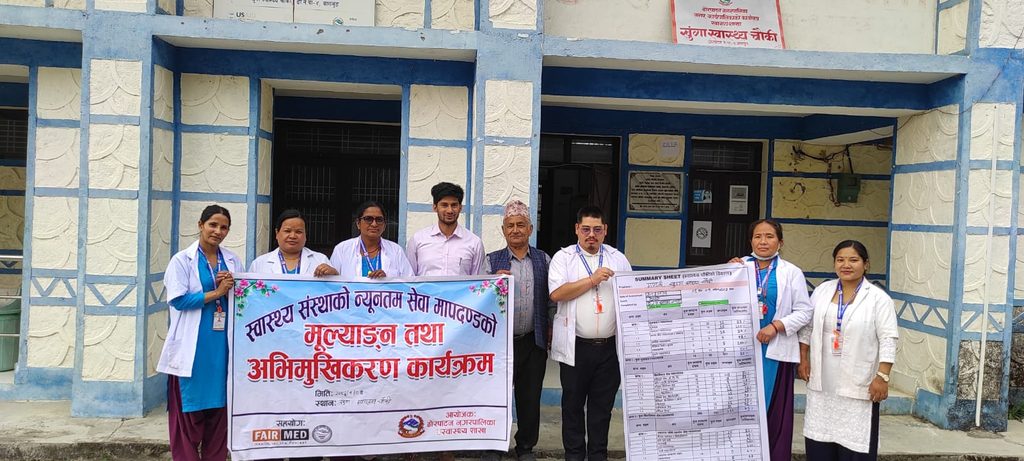
SAMBODHAN also supports the capacity development and mobilization of health workers and community-based health volunteers, helping strengthen the delivery of essential health services at the local level. Through close coordination with local governments and communities, the project seeks to address barriers faced by marginalized, vulnerable, underserved, and hard-to-reach populations.
Through its integrated and inclusive approach, SAMBODHAN contributes to improving maternal and newborn health outcomes, expanding access to services for people affected by neglected tropical diseases, promoting disability-inclusive development, and strengthening gender equality and social inclusion. The project complements the health priorities of the Government of Nepal and contributes to building a stronger, more inclusive, and responsive local health system.
Agriculture and Livestock-Based Smallholder Farmers and Young Entrepreneurship Development Program (Aatmanirvar Baglung Program)
The Agriculture and Livestock-Based Smallholder Farmers and Young Entrepreneurship Development Program (Aatmanirvar Baglung Program) was initiated on 29 Poush 2080 (January 13, 2024) through a partnership agreement among Baglung Municipality and Heifer Project Nepal, with coordination and implementation support from Nepal Gaja Development Foundation (NGDF). The total estimated budget of the program is NPR 328,571,43. The program is currently being implemented in 10 wards (Wards 5–14) of Baglung Municipality.
The program aims to improve the income, livelihoods, resilience, and social capital of approximately 2,600 households through agriculture and livestock-based entrepreneurship. To date, more than 1,700 households have been directly and indirectly benefited from program interventions. The program works closely with 72 Self-Help Groups (SHGs) across Baglung Municipality, facilitating collective action, savings, entrepreneurship, production, and access to services and markets.
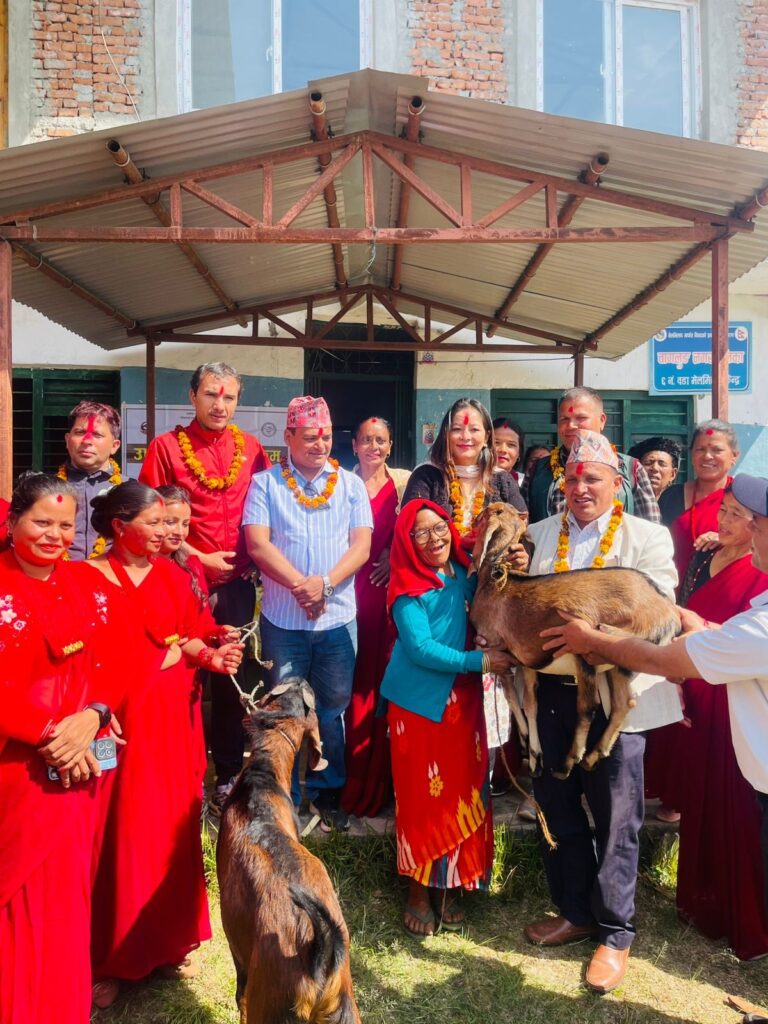
The program focuses on promoting Climate-Smart Agriculture (CSA), organic and sustainable farming, the One Health approach, food and nutrition security, women’s empowerment, environmental conservation, and livelihood improvement. Through technical assistance, capacity building, agricultural and livestock support, entrepreneurship development, and market-oriented interventions, the program seeks to strengthen the economic and social well-being of smallholder farmers and young entrepreneurs.
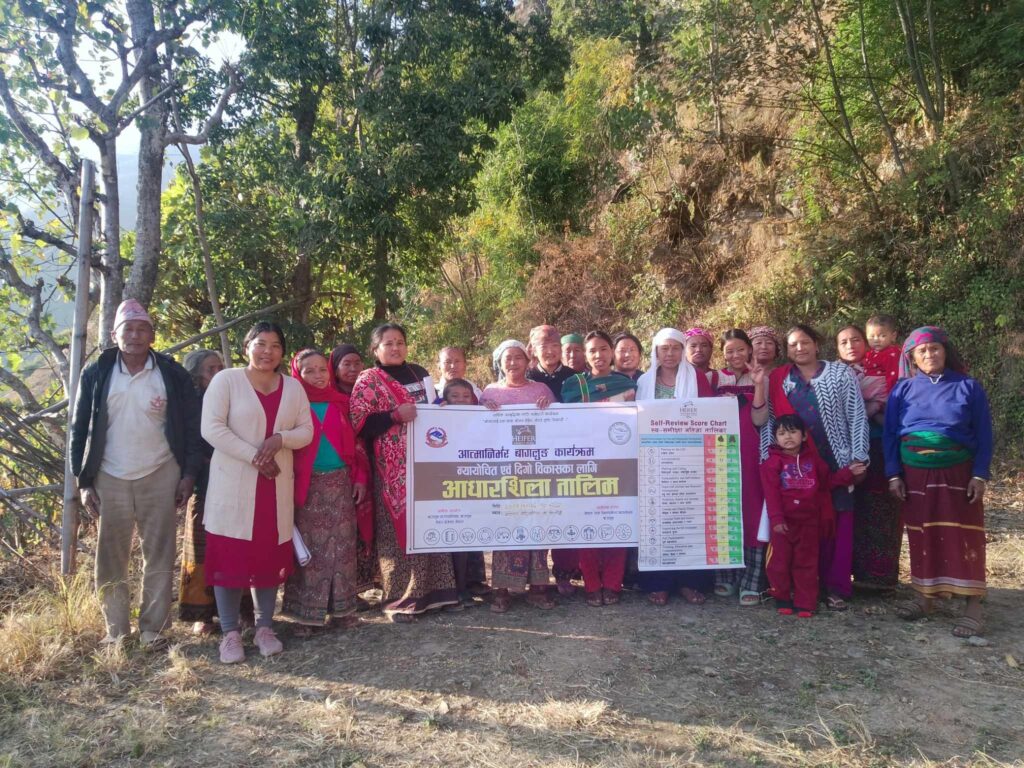
Overall, the Aatmanirvar Baglung Program is designed to create resilient, self-reliant, and economically empowered farming communities by integrating agriculture, livestock, entrepreneurship, gender inclusion, environmental sustainability, and community-based development.
Green Income Project (Agriculture and Livestock-Based Smallholder Farmers and Young Entrepreneurship Development Program)
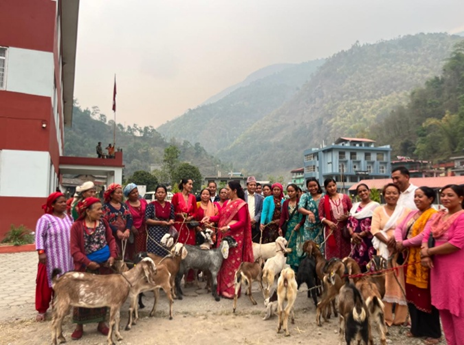
The Green Income Project is a joint initiative of Heifer Project Nepal and the Nepal Gaja Development Foundation, Baglung, implemented in partnership with Badigad Rural Municipality under its Partnership Program framework. Running from January 2025 to April 2027, the project supports smallholder farmers and youth across all ten wards of the rural municipality in building sustainable, market-oriented agriculture and livestock enterprises.
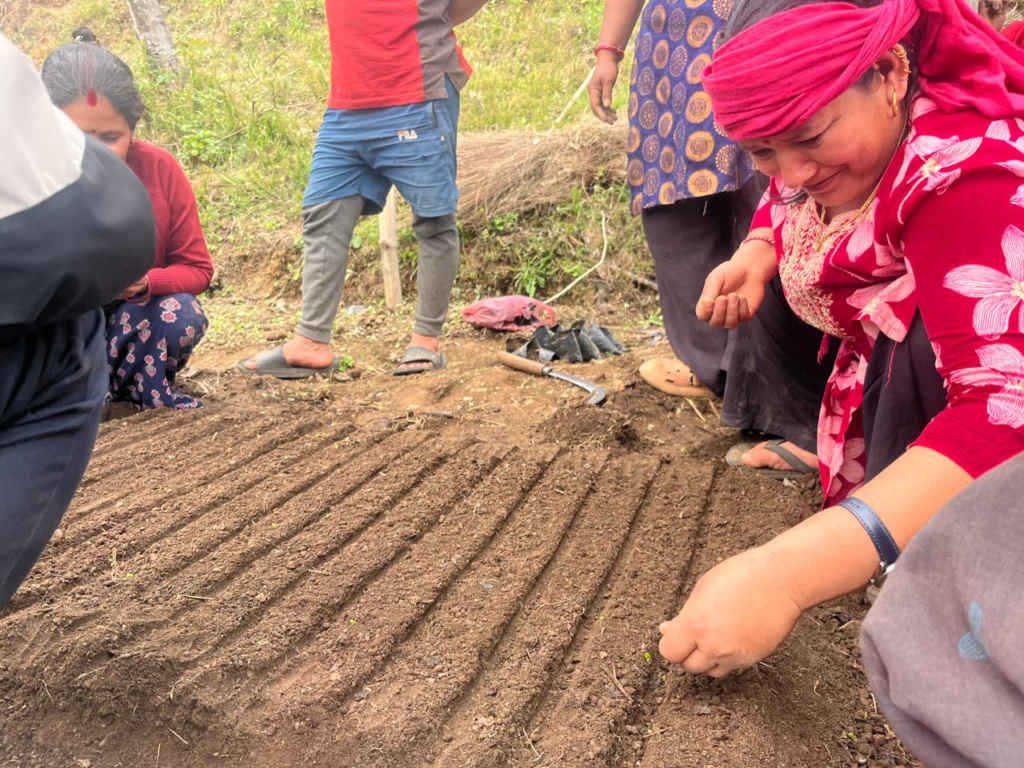
Anchored in a bottom-up planning approach, the project ensures that farmers, women’s groups, and local institutions actively shape its priorities and activities, rather than having solutions imposed from above. It promotes climate-smart agriculture and modern livestock management practices, encouraging farmers to adopt improved technologies, resilient production techniques, and efficient resource use suited to changing environmental conditions.
At its core, the project invests in people: organizing 1,600 women into 64 self-reliant groups linked to cooperatives, strengthening social capital, and building technical and entrepreneurial capacity through hands-on technology adoption. Its market-systems approach is expected to benefit nearly 3,000 households in total.
By combining innovation with inclusive, community-driven planning, the Green Income Project aims to leave behind a resilient, climate-adaptive, and self-sustaining agricultural economy long after the project concludes.